Prime Minister Modi's Diplomatic Engagement with Iran Amid West Asia Tensions
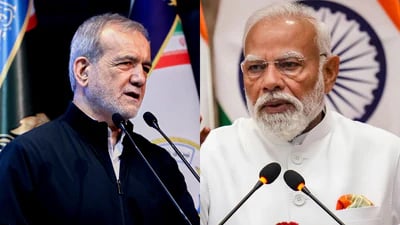
PM Narendra Modi speaks with Iran President amid West Asia tensions, stressing secure shipping lanes and uninterrupted global trade routes.
BUSINESS
Puneet Singla
3/21/20264 min read
Introduction: The Context of the Call
The geopolitical landscape of West Asia has grown increasingly complex in recent years, characterized by escalating tensions that necessitate diplomatic dialogue. This context is critical for understanding Prime Minister Modi's recent communication with Iranian leaders. Central to this discourse is the Strait of Hormuz, a vital chokepoint for global maritime trade, through which approximately 20% of the world's oil passes. The significance of secure shipping lanes in this region cannot be overstated, particularly amid heightened risks of conflict that could disrupt supply chains.
India, as one of the world's largest oil importers, has a vested interest in maintaining stability in West Asia. The nation’s energy security is precariously linked to the uninterrupted flow of oil, making its relationship with Iran particularly important. In this framework, India seeks to balance its diplomatic ties, managing relations with both Iran and Western nations. Modi's engagement with Iran reflects a strategic decision to ensure continued energy supply while supporting regional peace efforts, especially as tensions rise between Iran and other geopolitical players.
Furthermore, the historical ties between India and Iran provide a robust platform for collaboration, allowing for joint opportunities in areas such as trade, technology, and cultural exchange. As both nations navigate their respective political landscapes, the importance of dialogue and cooperation becomes paramount. Modi's call to Iranian leadership serves not only as a means to address current tensions but also as an assertion of India’s commitment to fostering diplomatic relationships in West Asia. Therefore, understanding the context of this call is essential for appraising the broader implications of India-Iran relations amid ongoing geopolitical challenges.
Key Issues Discussed: Shipping Lanes and Global Trade
During Prime Minister Modi's diplomatic engagement with Iran, significant emphasis was placed on the critical issues surrounding shipping lanes and global trade, particularly concerning the Strait of Hormuz. This strategically vital waterway, through which a substantial portion of the world's oil supply passes, has been a focal point of tensions that could disrupt international maritime operations. The Prime Minister articulated India's commitment to maintaining freedom of navigation in this region, which is essential for ensuring the unhindered flow of goods and energy resources.
The conversations highlighted the potential ramifications of any disruptions in shipping lanes, not only for regional players but also for the global market. With the Strait of Hormuz being a conduit for approximately 20% of all petroleum traded, any conflict or blockade could lead to significant volatility in energy prices, thereby impacting economies worldwide. Moreover, such disturbances could pose challenges for Indian shipping operators and merchants who rely on these routes for their trade activities.
Indian vessels, which have been known to frequently navigate this strategic passage, find themselves at risk in times of escalating tensions. The Prime Minister underscored the necessity of diplomatic solutions to curtail risks and secure safe passage for ships traversing these waters. Advances in bilateral cooperation with Iran can play a vital role in mitigating challenges posed by maritime threats, ensuring both nations can thrive amidst economic interdependencies.
In conclusion, the discussions centered around the importance of safeguarding navigation rights not only to protect Indian interests but also to uphold a stable and predictable environment for global trade. With rising tensions in West Asia, maintaining open lines of communication and collaboration with Iran becomes paramount in addressing potential disruptions in this key region.
India’s Diplomatic Efforts: S. Jaishankar’s Role
In recent years, India's foreign policy has demonstrated a significant focus on enhancing regional stability and fostering stronger ties with nations in West Asia. Central to these diplomatic efforts has been External Affairs Minister S. Jaishankar, whose strategic approach has played a crucial role in navigating complex geopolitical landscapes. Given the mounting tensions in the West Asia region, Jaishankar’s interventions have been particularly tailored to mitigate conflicts and expand India's influence.
Upon assuming office, Jaishankar prioritised strengthening India's relationships with key Middle Eastern countries, including Iran. His extensive experience as a former Indian Ambassador to the United States and a distinguished diplomat has enabled him to engage effectively with various stakeholders. Notably, Jaishankar’s diplomacy encompasses both direct dialogues with regional leaders and collaborative engagements in multilateral forums.
The recent tensions in the West Asia region have placed additional pressures on India’s diplomatic framework. Jaishankar’s proactive strategies include facilitating dialogues aimed at conflict resolution, emphasizing peace-building initiatives and promoting economic cooperation. His tenure has seen India intensify its outreach to both Iran and its regional adversaries, aiming to maintain a delicate balance while safeguarding its interests. Moreover, Jaishankar's visits to various capitals, including Tehran, underscore India's commitment to diplomatic negotiations.
India's approach under Jaishankar has also highlighted the significance of soft power in diplomacy. Cultural exchanges and grassroots outreach have been integrated into his strategy, aiming to cultivate goodwill and mutual understanding. These elements serve to enhance bilateral relations and provide a robust framework for addressing shared challenges.
In conclusion, S. Jaishankar's diplomatic efforts have established a comprehensive framework for India to engage with Iran and surrounding nations effectively. His involvement underscores India's commitment to not only taking an active role in West Asia but also promoting peace and stability through sustained dialogue and strategic cooperation.
Conclusion: The Significance of Ongoing Dialogue
The recent call between Prime Minister Narendra Modi and Iranian President Mohsen Pezeshkian represents a crucial step in India's efforts to navigate the complexities of West Asia amidst heightened tensions. This dialogue not only underscores India's recognition of the pivotal role Iran plays in the regional geopolitical landscape but also highlights the broader strategy of ensuring stability in a volatile area. India’s commitment to maintaining open lines of communication with Iran is indicative of its intent to secure its national interests, notably concerning shipping routes that are vital for trade.
Moreover, with increasing concerns surrounding potential attacks on regional infrastructure, it is imperative for India and Iran to engage in dialogues that can mitigate risks and ensure safety for commercial shipping. The challenges presented by geopolitical shifts demand that nations collaborate closely to address shared security concerns. By fostering a cooperative relationship with Iran, India aims to shield its economic interests while simultaneously contributing to a more stable West Asia.
Through sustained diplomatic engagement, not only can India work towards safeguarding its shipping interests, but it can also play a mediating role in a region characterized by conflicts and rivalries. The ongoing communication between Indian and Iranian leadership serves as a foundation for developing strategic partnerships that look beyond immediate political gains. The evolving geopolitical landscape necessitates that such dialogues continue to strengthen, enhancing mutual understanding and cooperation.
In light of these considerations, the importance of ongoing discussions between India and Iran cannot be overstated. Constructive engagement is vital for addressing the myriad challenges facing West Asia, and will remain a key component of India’s foreign policy in the region.